Every homeowner dreads the thought of plumbing issues. They can strike at any time, turning your peaceful abode into a chaotic mess. From unexpected leaks to stubborn clogs, these problems often seem minor until they demand immediate attention. Knowing how to identify and address common household plumbing issues can save you money and stress in the long run.
In this guide, we’ll explore some typical plumbing challenges that many homeowners face. We’ll also share expert tips on how professionals tackle each problem efficiently. Whether you’re dealing with a dripping faucet or low water pressure, understanding these issues will empower you to take action when needed. Let’s dive into the world of home plumbing!
Clogged Drains: Causes and Solutions
Clogged drains are a common nuisance in many households. They can be caused by a variety of factors. Hair, grease, soap scum, and food particles often contribute to blockages. Over time, these materials build up and restrict water flow.
To tackle minor clogs, start with the basics. A plunger can work wonders on bathroom sinks or toilets. For kitchen drains, try pouring boiling water down the pipe to help dissolve grease.
If you prefer DIY methods, consider a mixture of baking soda and vinegar. This natural solution can help break down debris without relying on harsh chemicals.
For stubborn clogs that resist home remedies, it may be time to consult professionals equipped with specialized tools like drain snakes or hydro-jetting systems. These experts can efficiently clear tough obstructions without damaging your plumbing system. If the issue becomes urgent—such as overflowing water or severe backups—contacting an emergency plumber dandenong ensures fast, reliable assistance to prevent further damage.
Regular maintenance is key to preventing future issues; using drain screens can catch debris before it enters the pipes, helping keep your plumbing system flowing smoothly.
Dripping Faucets: Troubleshooting and Repairs
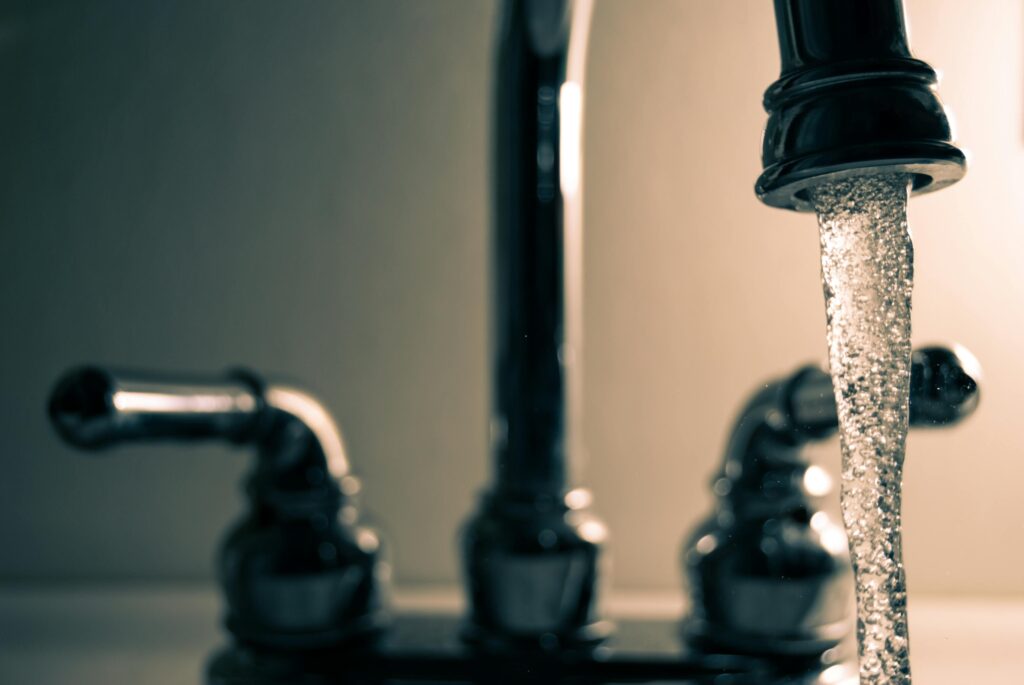
Dripping faucets can be more than just an annoyance. They often signal underlying issues that need attention. A single drop might not seem like much, but it adds up over time and can increase your water bill.
The most common culprit is a worn-out washer or O-ring. These tiny components can wear down due to constant use, leading to leaks. Replacing them is usually straightforward and requires minimal tools.
If the faucet still drips after replacing these parts, the issue may lie with the valve seat or even corrosion in older fixtures. In such cases, a thorough inspection becomes essential.
When tackling this problem yourself feels overwhelming, don’t hesitate to call in a professional plumber. They have the expertise to diagnose complex problems quickly and efficiently while ensuring everything is repaired correctly.
Leaky Pipes: The Hidden Danger
Leaky pipes are more than just an annoyance; they can pose serious risks to your home. Water damage often begins unnoticed, creeping into walls and floors. Over time, mold and mildew thrive in damp environments, leading to health issues.
Identifying leaks early is crucial. Look for water stains on ceilings or walls. A sudden increase in your water bill might also signal a hidden problem.
Repairing leaky pipes requires expertise. Professionals typically start with thorough inspections using advanced tools like moisture meters and infrared cameras. Once the source of the leak is found, they’ll decide whether patching or replacing the pipe is necessary.
Ignoring this issue only escalates costs down the road. Proactive maintenance can save you from extensive repairs later on, protecting both your property and peace of mind as well.
Low Water Pressure: What You Need to Know
Low water pressure can be a frustrating experience. It may feel like waiting ages for a simple shower or when doing dishes. Understanding the cause is key to finding a solution.
Several factors could contribute to this issue. Old pipes, mineral buildup, or even problems with your municipal supply can all play a role. If you notice low pressure in multiple fixtures, the problem might lie deeper within your plumbing system.
Sometimes, it’s as easy as checking for clogs in aerators or showerheads. Removing these and cleaning them often does wonders.
If the issue persists, consider inspecting your main shut-off valve and ensuring it’s fully open. A partially closed valve can significantly impact water flow.
In some cases, consulting with an expert becomes essential to identify hidden leaks or pipe deterioration that could lead to more complex repairs down the line.
Toilet Troubles: From Clogs to Constantly Running
Toilet troubles can be a significant headache for any homeowner. One of the most common issues is clogs, which often occur when excessive toilet paper or foreign objects block the drain. A plunger is usually your first line of defense. If that doesn’t work, you might need to reach for a plumbing snake or call in an expert.
Another frequent problem is a constantly running toilet. This issue typically stems from worn-out flappers or faulty fill valves. When these components fail, they prevent the tank from sealing properly, leading to wasted water and higher bills. Replacing these parts is generally straightforward but requires some basic tools and knowledge.
Sometimes, toilets may also leak at the base due to a damaged wax seal or loose bolts. It’s essential to address this quickly; otherwise, it could lead to water damage on your floor.Understanding how these common plumbing problems arise can help mitigate their occurrence and make repairs easier when necessary. Regular maintenance checks will keep everything working smoothly and save you time—and money—down the line!


