When it comes to seating, not all chairs are created equal. If you’ve ever felt uncomfortable in a standard chair, you know how important proper support can be. Bariatric chairs are specifically designed for individuals who require extra space and stability. They offer unique features that go beyond basic comfort, providing safety and accessibility where it matters most.
But what exactly sets bariatric chairs apart from their standard counterparts? Let’s dive into the world of these specialized seats and explore why they’re essential for many people seeking comfort without compromise. Understanding the benefits, types, design features, and factors to consider when choosing a bariatric chair will help you make informed decisions tailored to your specific needs or those of your loved ones. So let’s get started!
Understanding Bariatric Chairs
Bariatric chairs are specially crafted seating options designed to accommodate individuals with higher weight capacities. Unlike standard chairs, a bariatric chair focuses on providing comfort and support for larger body types.
These chairs typically have reinforced frames, wider seats, and stronger materials to ensure durability. They often come with enhanced stability features that help prevent tipping or wobbling, which can be a concern for those who need extra support.
The design of bariatric chairs isn’t just functional; it’s also about inclusivity. These pieces aim to make everyday environments more accessible. Whether at home or in healthcare settings, they play a crucial role in enhancing the quality of life for many people.
Understanding these unique characteristics is essential when considering seating options tailored to specific needs. Bariatric chairs represent more than just furniture; they symbolize comfort and security for their users.
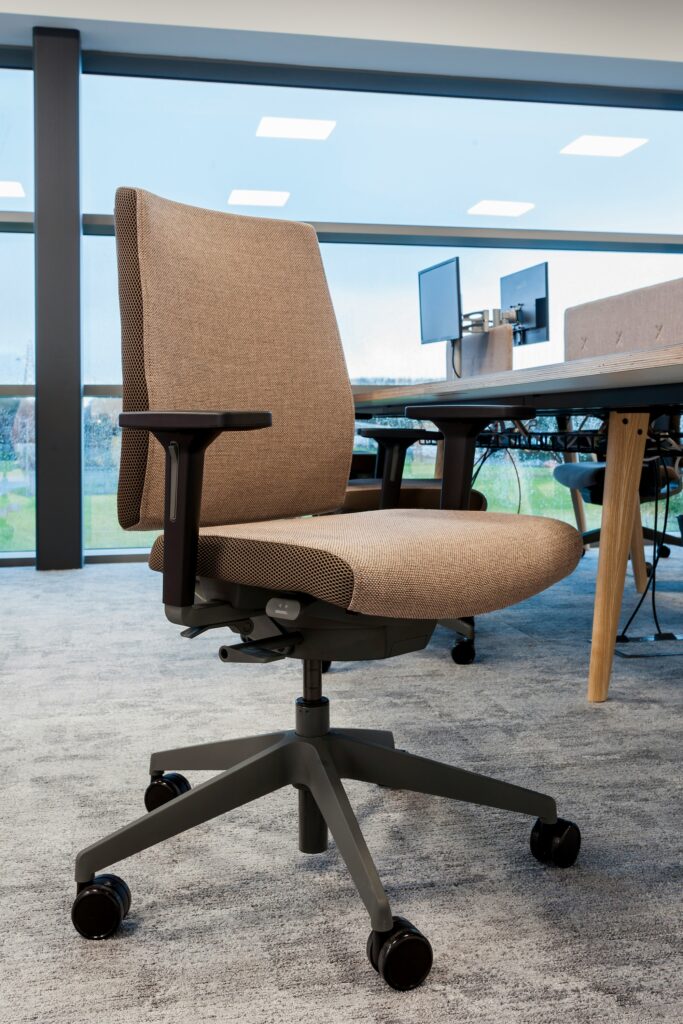
Benefits of Using a Bariatric Chair
Bariatric chairs are specifically designed to provide comfort and support for individuals with higher body weights. They offer a sturdier structure, ensuring safety during use.
One of the primary benefits is enhanced stability. These chairs feature wider bases that prevent tipping, making them ideal for those who may struggle with balance.
Additionally, bariatric chairs often have increased weight capacities compared to standard seating options. This allows users to sit comfortably without fear of damage or collapse.
Comfort is another key advantage. Many models come with extra padding and ergonomic designs tailored for extended sitting periods, reducing discomfort and pressure points.
Moreover, these chairs can enhance mobility in various settings—homes, hospitals, and care facilities alike—providing essential support where it’s needed most. Users feel empowered as they navigate their environments more easily and confidently when equipped with the right seating solution.
Types of Bariatric Chairs
Bariatric chairs come in various styles, each designed to cater to different needs. One popular type is the standard bariatric chair, offering wider seating and reinforced structures for added stability.
Another option includes recliner bariatric chairs. These are perfect for those who need extra support while resting or recovering. They often feature adjustable positions for maximum comfort.
There are also transport bariatric chairs, equipped with wheels for easy mobility. This type is ideal in healthcare settings where patients need assistance moving from one place to another.
For outdoor use, heavy-duty patio chairs provide durable options that can withstand weather conditions while supporting higher weight limits. Each style focuses on comfort and safety tailored specifically to individual requirements.
Design Features of Bariatric Chairs
Bariatric chairs are thoughtfully designed to provide comfort and support for individuals with higher weight capacities. Their robust construction often includes reinforced frames made from sturdy materials, ensuring safety during use.
Wide seating surfaces are a hallmark of these chairs. This design allows for greater freedom of movement, accommodating various body shapes without compromising on comfort.
Many bariatric models feature adjustable armrests and seat heights. These customizable elements help users find their perfect position, catering to individual needs effectively.
Additionally, non-slip surfaces enhance stability while seated. This is particularly important in preventing accidental slips or falls.
Some bariatric chairs come with added cushioning and breathable fabrics. These features promote airflow and reduce pressure points for prolonged sitting sessions, making them ideal for both home and healthcare environments.
Factors to Consider When Choosing a Bariatric Chair
When selecting a bariatric chair, several factors come into play. First and foremost, weight capacity is crucial. Ensure the chair can comfortably support the intended user’s weight without compromising safety or comfort.
Next, consider the dimensions of the chair. Bariatric chairs are wider and often have deeper seats than standard options. Make sure to choose a size that fits your space while providing adequate room for movement.
The materials used in construction can greatly influence durability and ease of cleaning. Look for chairs made from high-quality fabrics that resist wear and tear while remaining easy to maintain.
Adjustability features are also important. Chairs with adjustable heights or reclining capabilities offer added comfort for users who may need specific positioning for health reasons.
Aesthetic appeal shouldn’t be overlooked. Bariatric chairs come in various designs and colors; finding one that matches its environment can enhance both functionality and style.
By taking these aspects into account, you’ll ensure better seating solutions tailored specifically to those who require them most. Choosing wisely leads not only to improved comfort but also promotes overall well-being.


