Losing a loved one is an experience that shakes the very foundation of our lives. In these moments of sorrow, we often find ourselves at a loss for what to do next. This is where funeral professionals step in, offering guidance and support during some of life’s toughest times. They are not just facilitators of services; they are compassionate allies who help families navigate the complex emotions surrounding grief and loss. With their expertise, families can honor their loved ones while beginning the healing process. Let’s explore how funeral professionals play a pivotal role in helping families through this challenging journey.
The Role of Funeral Professionals
melbourne funeral planners are professionals serve as essential guides for families during a profoundly difficult time. They bring both expertise and empathy to the table, ensuring that every detail is handled with care.
From arranging transportation to selecting caskets or urns, these experts manage logistical challenges seamlessly. Their knowledge of local regulations and customs allows families to focus on what truly matters—honoring their loved one’s memory.
Beyond practicalities, funeral directors offer emotional support. They listen patiently and provide reassurance when families feel overwhelmed. This connection fosters an environment where grieving can begin in earnest.
Moreover, they often help organize viewings or memorial services tailored to individual preferences. Personal touches can make all the difference in creating a meaningful tribute that reflects the deceased’s life and legacy. With their compassionate approach, funeral professionals play an invaluable role in helping families navigate through grief while celebrating love and remembrance.
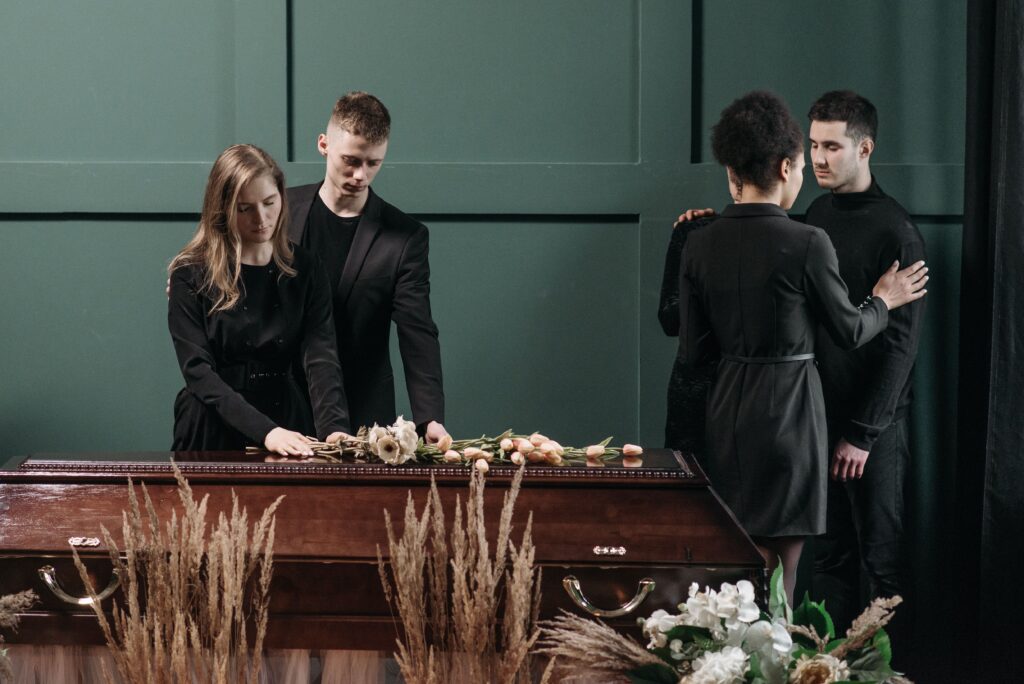
The Importance of Grief Counselling
Grief is a profound experience that affects each person differently. Navigating through the waves of sorrow can feel overwhelming, and that’s where grief counseling becomes essential.
Professional counselors offer a safe space for individuals to express their feelings without judgment. They help families articulate pain, confusion, and anger during these trying times.
Counselors also provide coping strategies tailored to individual needs. These tools can empower loved ones to process their emotions healthily and constructively.
Sharing stories in a supportive environment fosters connection among family members too. It reinforces that no one has to face loss alone.
Moreover, grief counseling can encourage healing by normalizing the grieving process. Understanding that it’s okay not to be okay allows people to embrace their journey forward at their own pace.
Personalized Funeral Services
Personalized funeral services are a meaningful way to honor the unique life of a loved one. Each person has their own story, and reflecting that individuality can bring comfort to grieving families.
These services often incorporate personal touches, like favorite songs or cherished photographs. Some families choose themes that resonate with the deceased’s interests, creating an atmosphere filled with memories.
Special rituals can also be included, allowing attendees to participate in ways that feel right for them. This could involve lighting candles or sharing stories that highlight the person’s character.
Moreover, personalized elements foster a sense of community among mourners. They remind everyone present of shared experiences while emphasizing the impact the individual had on those around them. In these moments, healing begins as connections strengthen through remembrance and love.
Alternative Options for Memorialization
Memorialization is deeply personal, and families have various options to honor their loved ones. Traditional services are not the only way to celebrate a life lived.
Some choose to create lasting memorials like tree plantings or dedicated benches in parks. These living tributes serve as a reminder of cherished memories while contributing positively to the environment.
Others explore innovative approaches such as personalized video tributes, capturing moments that tell stories and evoke emotions. This digital keepsake can be shared with family and friends far away.
Artistic expressions also play a role in memorialization. Families might commission paintings or sculptures reflecting the personality of their loved one, transforming grief into creativity.
Additionally, some opt for unique ceremonies held at meaningful locations—perhaps where they first met or enjoyed special moments together. This creates an intimate setting for remembrance that’s tailored specifically to the relationship shared.
Supporting Families Beyond the Funeral
Supporting families doesn’t stop after the funeral service. Funeral professionals recognize that grief is a long journey. They offer resources and follow-up services to help families navigate this difficult path.
Many funeral homes provide ongoing support, such as grief groups or workshops. These gatherings allow individuals to share their experiences in a safe space. It fosters community and connection during incredibly isolating times.
Additionally, some professionals check in with families well after the service has ended. A simple phone call or message can mean a lot when someone is feeling lost or alone in their sorrow.
Funeral directors often have connections to local therapists and counselors specializing in grief support too. This makes it easier for families to access further assistance if they need it.
The compassion shown by these professionals extends far beyond logistics and paperwork; it’s about truly caring for people at their most vulnerable moments. The lasting impact of this care helps ensure that no one feels unsupported on their journey through loss.


