Navigating the world of loan applications can feel overwhelming, especially when it comes to gathering all the necessary documents. Whether you’re applying for a mortgage, personal loan, or any other type of financing, having the right paperwork is crucial. It’s not just about filling out forms; it’s about presenting your financial story in a way that lenders understand and trust. So what exactly do you need? A little preparation goes a long way in simplifying this process and increasing your chances of approval. Let’s dive into the essential documents you’ll want to have on hand as you embark on this journey.
The Role of Documents in the Loan Application Process
Documents are the backbone of any loan application. They provide lenders with a clear picture of your financial situation, helping them assess risk and determine eligibility.
Before Submitting your Documents speak with a local mortgage expert, these documents create a narrative about your economic stability. They illustrate whether you can handle monthly payments responsibly.
Lenders rely on various forms of documentation to make informed decisions. Each piece—be it bank statements or tax returns—adds depth to their understanding of your finances.
Moreover, accurate and complete documentation can speed up the approval process. Missing or unclear information often leads to delays or denials that could have been avoided with thorough preparation.
By ensuring all necessary documents are in order, you’re not just meeting requirements; you’re also building trust with potential lenders. This transparency is key for creating a positive lending relationship from the outset.
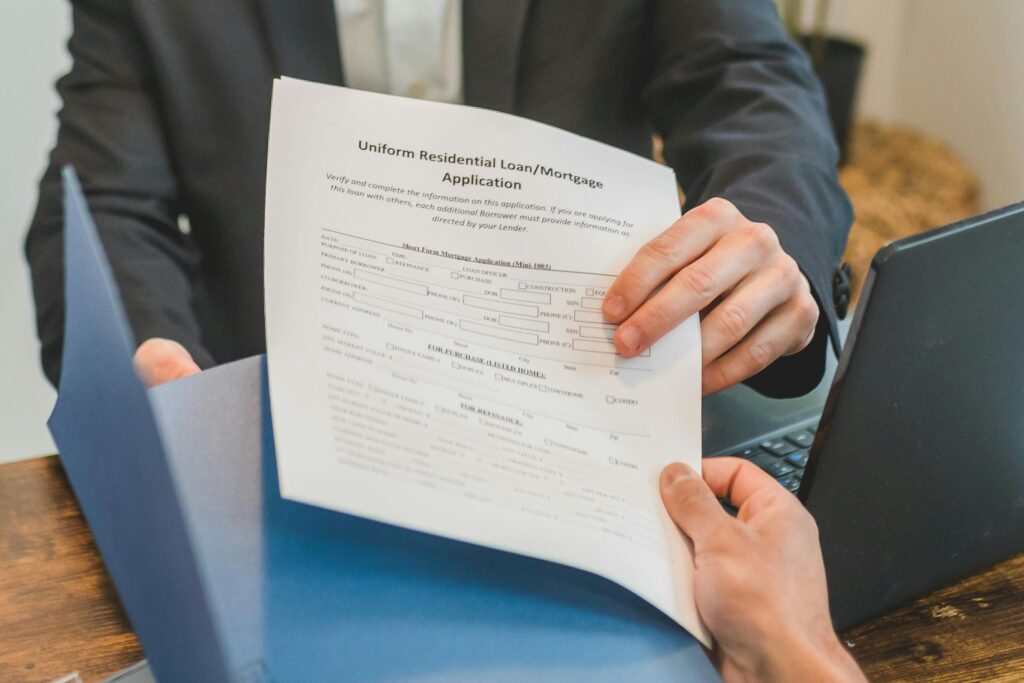
Basic Personal Information and Identification Documents
When applying for a loan, the first step often involves providing basic personal information. This includes your full name, date of birth, and contact details. These elements help lenders identify you accurately.
Identification documents play a critical role in this process. A government-issued ID, such as a driver’s license or passport, is typically required. These documents prove your identity and ensure that all information provided is legitimate.
Additionally, you may need to provide your Social Security number or equivalent identification number if you’re outside the United States. This helps lenders assess your credit history.
Having these documents ready can streamline the application process. It shows that you are organized and prepared for discussions about your financial future with potential lenders.
Financial Documents and Proof of Income
When applying for a loan, financial documents are crucial. Lenders need to gauge your ability to repay the borrowed amount. Without these papers, your application may face delays or even rejection.
Start with recent pay stubs. These show your income consistency and help verify employment status. If you’re self-employed, tax returns from the last two years serve as proof of earnings.
Bank statements also play an essential role. They provide insights into saving habits and overall financial health. A solid history of managing funds can boost your credibility in front of lenders.
Don’t forget about additional sources of income like bonuses or rental properties. Including documentation for these can strengthen your case further.
Thorough preparation is key when gathering these materials; it creates confidence in both you and potential lenders.
Employment Verification and References
When applying for a loan, lenders want to ensure that you are not only capable of repaying the borrowed amount but also stable in your current position. This is where employment verification and references come into play.
Lenders typically ask for details about your employer. They may require contact information for your HR department or direct supervisor. This allows them to confirm your employment status and assess job stability, which can be critical factors in their decision-making process.
References can enhance your application too. Having someone vouch for you—whether it’s an employer, colleague, or even a business partner—can add credibility to your financial situation and character. Lenders appreciate this extra layer of assurance as it helps them gauge how responsible and trustworthy you are.
It’s essential to provide accurate information regarding previous jobs if you’ve changed employers recently. Each role adds depth to the narrative of your professional journey, showcasing growth and reliability over time.
The documentation required might seem extensive at first glance but gathering these documents will help streamline the process significantly—and ultimately bring you one step closer to securing that loan with confidence.


