Imagine walking into a classroom where the furniture is not just functional but also adaptable to the diverse needs of students. A space that fosters creativity, collaboration, and comfort. Gone are the days of rigid desks and stiff chairs; today’s educational environments are evolving rapidly. Flexible and student-friendly furniture has emerged as a game changer in how we approach teaching and learning.
With an emphasis on mobility and versatility, these innovative designs can transform any traditional classroom into a dynamic hub for engagement. This shift is not merely about aesthetics; it speaks volumes about how we value our students’ experiences and their ability to thrive in various settings.
Join us as we explore the importance of flexible furniture, its benefits for learners at all levels, different types available in today’s market, strategies for incorporating flexibility into your classroom design, and key considerations when selecting the right pieces for your educational environment. Let’s dive deep into creating spaces that inspire both educators and students alike!
The Importance of Flexible and Student-Friendly Furniture in Classroom Environments
Flexible and student-friendly classroom furniture suppliers are essential in modern classrooms. They adapt to diverse learning styles, ensuring every student has a comfortable environment tailored to their needs.
Traditional setups can stifle creativity and collaboration. With versatile furniture, students can choose how they want to learn—whether in groups or individually. This choice boosts engagement and motivation.
Moreover, such designs encourage movement within the classroom. Students benefit from shifting positions during lessons, which helps improve focus and retention of information.
Creating an inviting atmosphere also promotes inclusivity. Furniture that accommodates various physical abilities ensures all learners feel welcome and supported.
Investing in flexible furniture reflects a commitment to nurturing each student’s potential while fostering a positive educational experience.
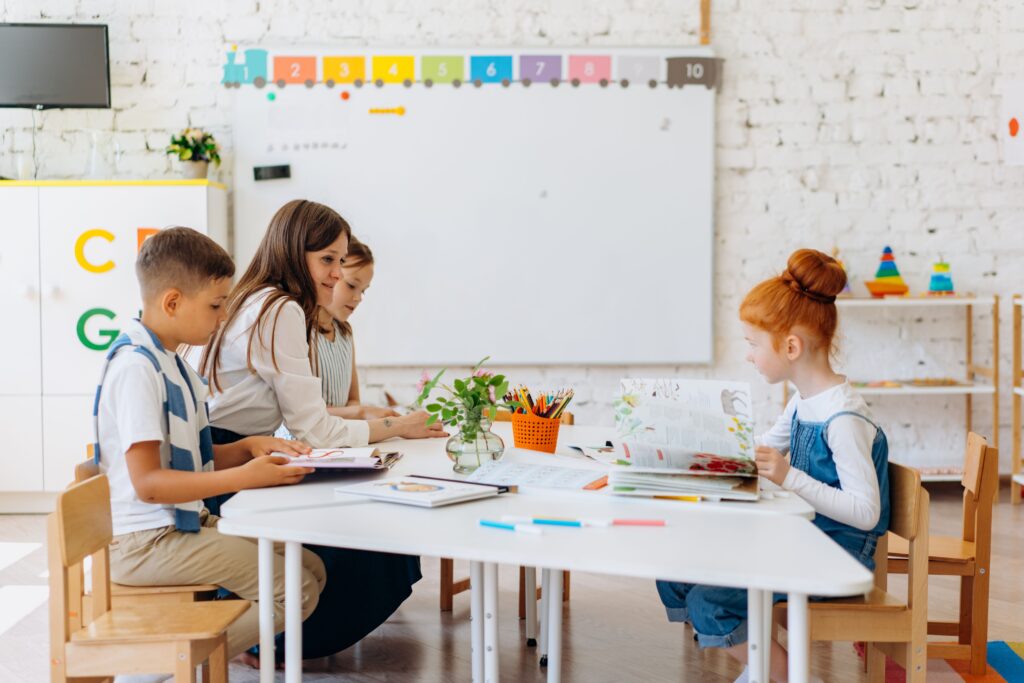
Benefits of Flexible Furniture for Students
Flexible furniture transforms the learning experience. It empowers students to choose their seating, making them feel more in control of their environment.
When students can rearrange desks and chairs, they engage better with peers. Collaboration thrives when groups can form easily around adaptable tables. This fosters a sense of community and teamwork.
Additionally, flexible furniture caters to various learning styles. Some students thrive in quiet corners, while others prefer collaborative spaces. Having options allows for personalized learning experiences that enhance focus and productivity.
Comfort is another key benefit. Ergonomic designs reduce strain during long hours of study, promoting physical well-being alongside academic success.
Flexible furniture encourages creativity and innovation in classroom design. It invites educators to think outside traditional layouts, creating dynamic spaces that inspire curiosity and exploration among learners.
Types of Flexible and Student-Friendly Furniture
When it comes to flexible and student-friendly furniture, the options are vast. Desks that can be rearranged easily cater to different learning styles. Look for modular designs that allow students to shift their workspace as needed.
Chairs play a vital role too. Ergonomic seating promotes comfort, while stackable or folding chairs save space when not in use. Consider bean bags or floor cushions for informal settings where creativity thrives.
Collaborative tables encourage group work and discussions. These come in various shapes—round, rectangular, or even mobile units that roll together seamlessly.
Don’t overlook storage solutions either! Lockers on wheels provide easy access yet maintain organization within the classroom environment.
Incorporating height-adjustable desks ensures both standing and sitting options are available, accommodating diverse needs throughout the day.
How to Incorporate Flexibility in Classroom Design
Incorporating flexibility in classroom design begins with understanding student needs. Create spaces that can be adapted for various activities, such as group work or solo study.
Modular furniture is a game changer. It allows easy rearrangement to support different teaching styles and learning preferences. Think about using lightweight tables and chairs that students can move on their own.
Designate areas within the classroom for specific purposes. A cozy reading nook can inspire independent learning, while open spaces encourage collaboration among peers.
Utilize technology to enhance versatility. Interactive whiteboards and portable devices make it easier for educators to switch between traditional lectures and modern, tech-driven lessons.
Make storage a priority. Use multifunctional pieces like benches with hidden compartments or carts that hold supplies but can also serve as additional workspace when needed.
Considerations for Choosing the Right Flexible Furniture for Your Classroom
Choosing the right flexible furniture for your classroom involves several key considerations. First, assess the needs of your students. Consider their age, size, and learning preferences. Not all designs work well for every group.
Next, think about the types of activities you will conduct in your classroom. Will there be group projects or individual work? This will influence whether you need chairs that can be easily moved or tables that can adapt to different layouts.
Durability is another critical factor. Classroom environments experience wear and tear. Opt for materials that can withstand daily use while still looking fresh and inviting.
Also consider aesthetics—how does the furniture fit with your overall design theme? A cohesive look can create an engaging atmosphere conducive to learning.
Budget plays a significant role in decision-making. Quality flexible furniture may require a higher initial investment but often pays off through increased student engagement and satisfaction over time.
Taking these factors into account ensures you’re equipped to create an adaptable space where every student feels comfortable and inspired to learn effectively.


